
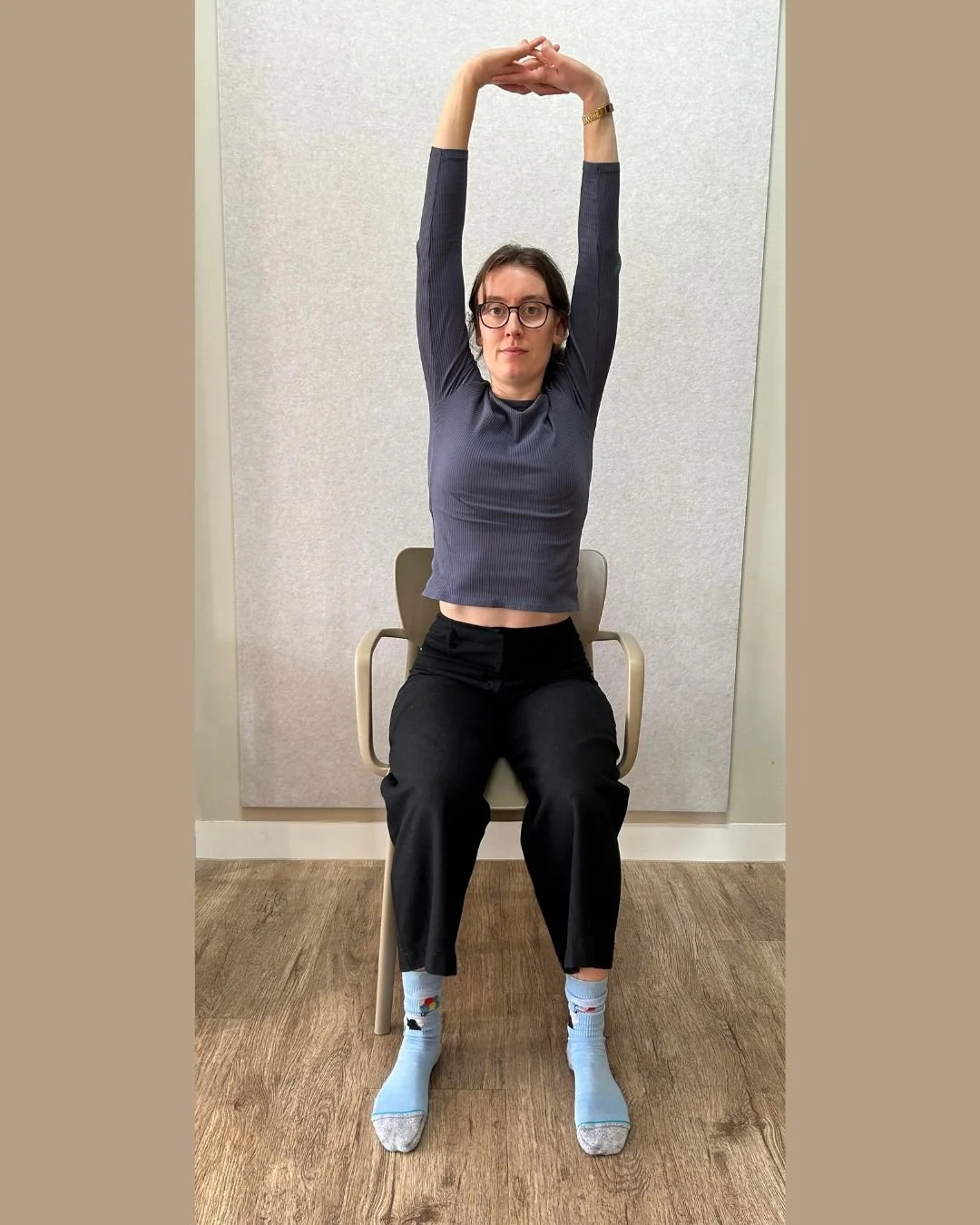
Gentle movement to improve balance, strength, and wellbeing
Living with a chronic or neurological condition such as multiple sclerosis (MS), Parkinson’s disease, stroke, or neuropathy can make everyday movement more challenging. Issues with balance, stiffness, coordination, and fatigue can affect confidence and independence.
At Bespoke Physiotherapy, our experienced neurological physiotherapists in Melbourne understand the importance of finding exercise options that are safe, enjoyable, and effective. One approach we often recommend—when carefully tailored—is yoga-based exercise for neurological conditions.
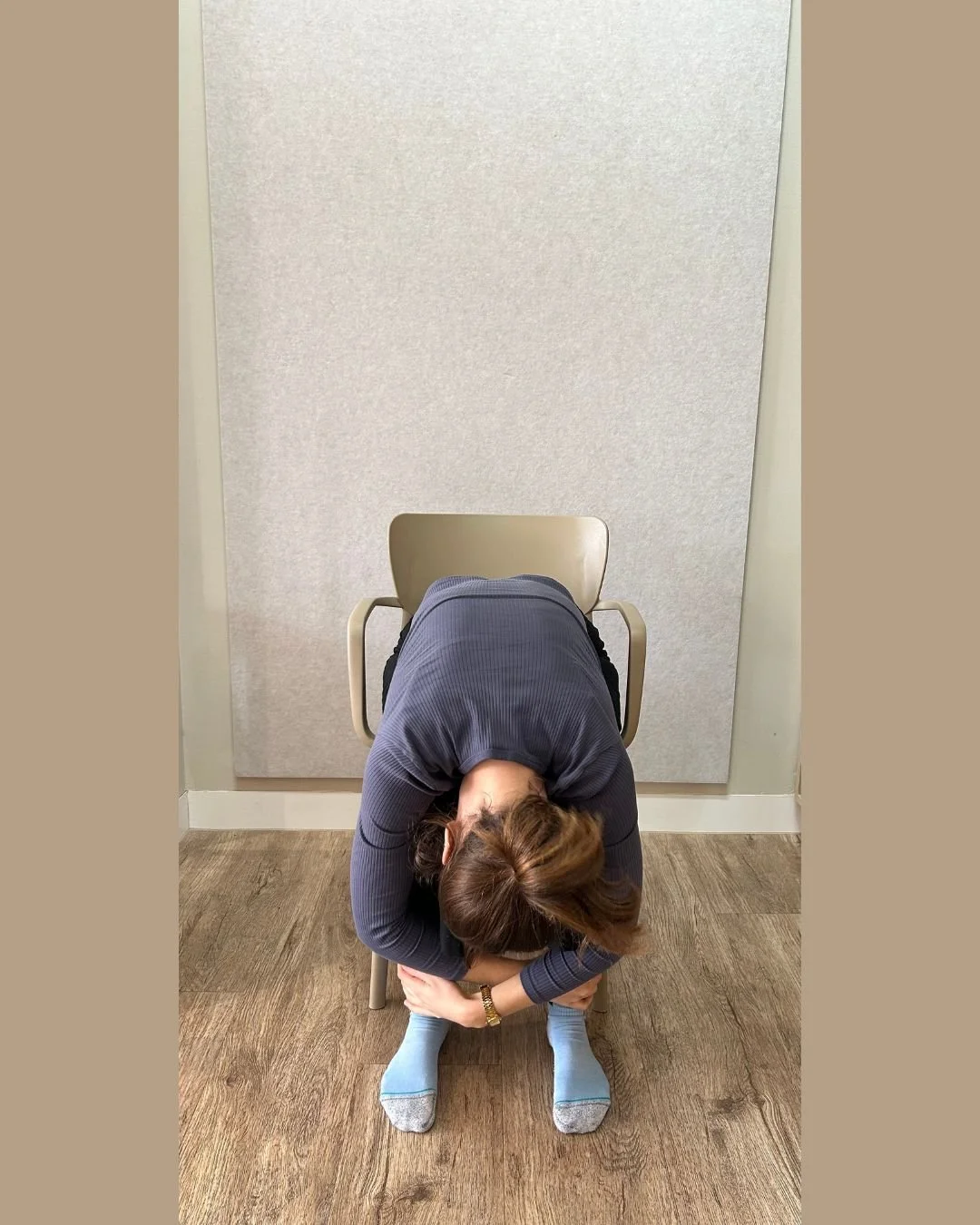
What Is Yoga?
Yoga is much more than stretching. It’s a mind-body practice that combines:
Gentle physical postures (asanas)
Breathing exercises (pranayama)
Relaxation or mindfulness
Rooted in ancient Indian tradition, Yoga has evolved into a modern, evidence-supported way to build strength, mobility, and reduce stress.
When guided by a physiotherapist or trained yoga therapist, yoga can be adapted for any ability level, including seated or supported postures.
What Yoga Isn’t
Many people imagine yoga as young, flexible people doing back bends and complicated twists.
In reality, yoga is for everyone. It’s not about flexibility or performance — it’s about mindful movement, breathing, and working safely with your body’s current abilities. However it’s important to find a class & teacher that’s suitable for you.
Key Benefits of Yoga for Neurological Conditions
1. Improves Balance and Coordination
Many people with neurological conditions experience balance difficulties. Yoga helps retrain balance systems and core stability through slow, controlled movement—reducing falls risk and improving confidence.
2. Increases Flexibility and Strength
Yoga poses and movements help ease muscle tightness, improve joint mobility, and build strength in the trunk, legs, and shoulders—key areas for functional mobility.
3. Manages Fatigue and Breathing Efficiency
Breathing techniques and exercises support better respiratory control and energy management, making it particularly helpful for people with MS or Parkinson’s disease who experience fatigue.
4. Reduces Stress and Enhances Mood
Yoga activates the parasympathetic nervous system, helping reduce stress and anxiety. Regular practice can improve emotional wellbeing and sleep quality.
5. Builds Body Awareness and Confidence
Slow, mindful movement helps reconnect the brain and body, improving posture and alignment, and confidence in movement—essential goals of neurological rehabilitation.
Safety and Adaptations in Neuro Yoga
People with neurological conditions should only participate in yoga that’s modified for their abilities. At Bespoke Physiotherapy, our physiotherapists design adapted yoga sessions that prioritise safety and success. We can also tailor your session to meet your needs and complement your goals.
Adaptations may include:
Chair or rail support for balance
Seated or lying-down posture options
Shorter, flexible sessions to manage fatigue
Avoiding overheating (especially for people with MS)
Focus on breath and mindfulness over intensity
Real-Life Results
Many of our clients have found yoga to be a powerful complement to physiotherapy.
A client with early Parkinson’s disease reported feeling taller and better balanced after regular yoga-based balance training.
A person living with multiple sclerosis found that mindful breathing and stretching helped reduce stiffness and fatigue and improve body awareness. Another person with MS reported a significant improvement in their ability to manage stress across their day.
A person living with chronic-stroke reporting improved breath control and increased ease getting on and off the floor with regular yoga-based classes.
Yoga can provide both physical and emotional benefits—supporting movement confidence and quality of life.
Getting Started with Yoga and Physiotherapy
If you’re living with a neurological condition, speak to your physiotherapist before starting yoga.
At Bespoke Physiotherapy, we can help you:
Understand whether yoga is appropriate for your condition.
Trial you with our Yoga Trained Physio to introduce you to the class structure and some asanas (poses and movements) before a group session. This also allows the physio to learn about your specific goals, challenges and needs. You will learn to start slowly, listen to your body, and focus on gentle, mindful movement.
Start you with a suitable 1:3 or 1:4 yoga-based physio group session. You will practice various postures and movements, breathing techniques and mindfulness with other similar people with neurological conditions
What to Expect at our classes:
- Gentle seated yoga with a focus on safe stretching and mobility
- Supported standing balance exercises to improve confidence and stability
- Mindfulness practices to reduce stress, enhance relaxation and improve sleep
- Breathing exercises for improved lung function and stress management
- Learn about self care and movement strategies
- A welcoming space for social connection and peer support
If suitable for you, we can help you transition to regular community based yoga sessions so you have an understanding of how to manage the class to make it most suitable for you and your condition.
Yoga has been shown to have very significant benefits in all people with chronic conditions through considerable research. For people with MS, yoga has been found to have many benefits, such as easing pain, fatigue, anxiety, and depression, and improving balance, mobility, and leg/arm strength. It is also effective at reducing stress
Why not try it out and see how it can benefit you?
. (Thakur P, Mohammad A, Rastogi YR, Saini RV, Sainib AK. Yoga as an intervention to manage multiple sclerosis symptoms. J Ayurveda Integr Med. 2020;11(2):114–117. )
